
If you’re ready to take the leap and learn how to start a blog that can grow into a source of real online income, then let’s dive in.
1. Pick your blog name and niche
First, it’s time to pick a name and niche for your new blog.
Your blog’s name is what readers will see first (like yourblog.com), so it should ideally represent either the general topics you’ll be writing about—or it could be your own name, that of your business, a clever combination of words, or otherwise.
Your blog’s niche is the general topic area that you’ll be focusing your content around. Examples include blog topics like travel, food, fashion, lifestyle, technology, and otherwise. Incorporating a word or two that clearly signals what your content is about, within the name of your blog (like fashionbyjane.com or hikewithryan.com)—will be very helpful for your future blog readers.
2. Get your blog online (web hosting)
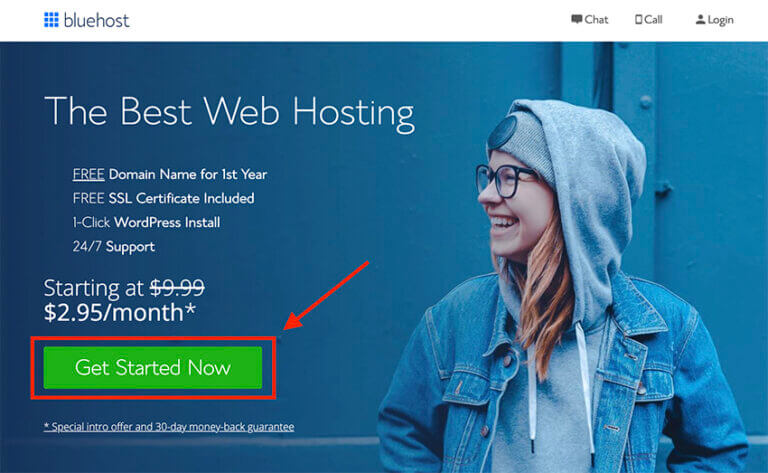
The second step in starting a blog, is actually getting your blog online. That’s what a web hosting company will do for you. In this step, you’ll be selecting the blogging platform and web hosting plan you’ll use to get your blog online.
3. Design your blog with a free WordPress theme

Now that we’ve gotten through the crucial setup phase of starting a blog, it’s time to have a little more fun.
Designing your WordPress blog is when you might start to feel a little friction with this process though (if you’ve never worked on a blog before), but I promise this won’t get too technical.
4. Write your first blog post

You don’t read a blog because it looks nice or because they publish frequently. (Although those both help).
You read a blog because you care about what it says. Creating high quality content is what will bring you readers and help you to eventually make money blogging.
Brainstorm smart blog post ideas (using keyword research)
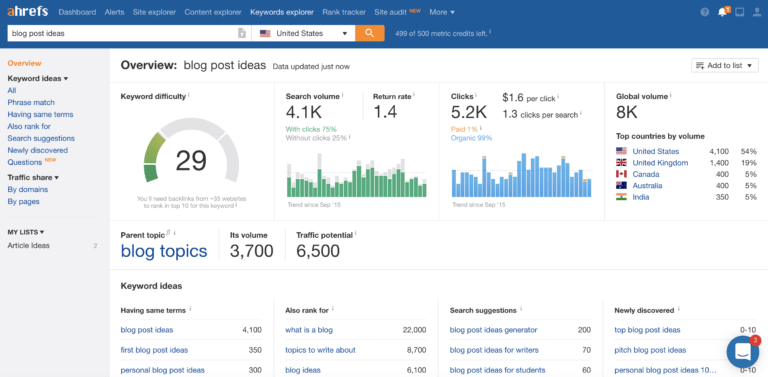
Even once you’ve established the niche you’ll be blogging about, you have to do smart keyword research in order to generate the right blog post ideas that’ll actually bring you readers.
So, what about the actual posts you’re going to write? The good news is you can honestly write whatever you want! This is your blog after all, and one of the major benefits is that it’s your platform to speak and share. But, ideas don’t always come naturally.
This is where I believe a simple editorial calendar is so important. It’s just a basic document to fill out that’ll give you a roadmap to always knowing what you’re writing next. It frees you up to spend more time on the fun of actually putting posts together—not banging your head against the wall trying to come up with blog post ideas.
5. Promote your blog and get readers
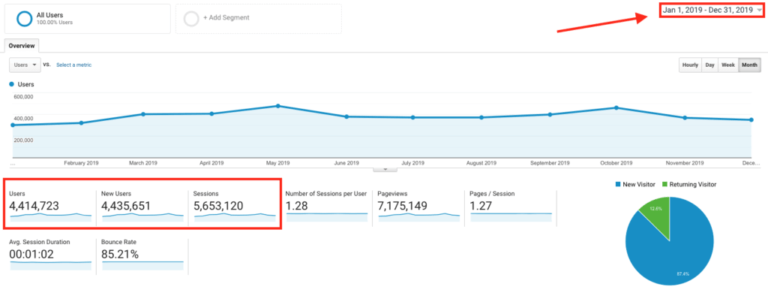
What do you do once you’ve hit publish on your first blog posts? It’s time to learn how to promote your blog content.
Using social media to promote your blog
The obvious first place to turn when you want to find readers is social media. Facebook, Twitter, YouTube, Pinterest, LinkedIn, Reddit, Instagram, Snapchat and TikTok are some of the biggest networks today. Whichever platform best suits your niche and audience interests, is the right one for you. And that’s an important note. There’s no point in trying to promote your blog posts on every social media platform.
Forums and message boards for bloggers
Often, just throwing your ideas out into the social media void isn’t very effective.
Instead, being a part of targeted forums and online communities can give you a way better return on your time—if you find the right ones. Browse through relevant groups on Facebook to see if there are any vibrant communities that’d be a good starting point.
Using an email newsletter to grow your blog audience
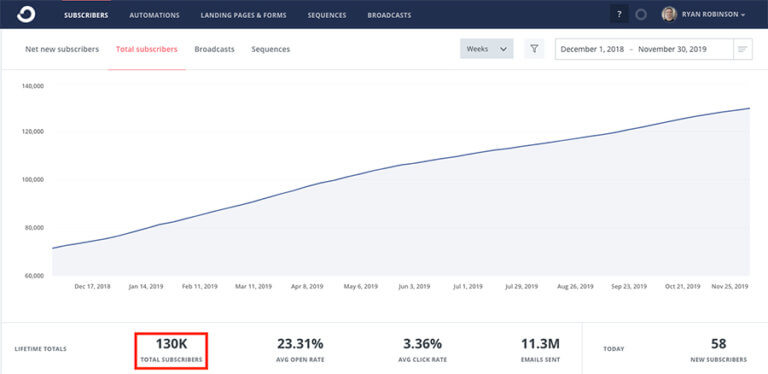
One of the best forms of blog promotion isn’t to other audiences, but to your own (over time). Building your own email list (or email newsletter) is the most powerful way to keep existing readers engaged with the work you’re doing—and one of the things you should set up immediately.
Start building your email list from day one with your blog—it can be surprisingly simple. Place a signup form within your posts and across key pages of your site. I use a tool I love, called ConvertKit, to manage the 150,000+ email subscribers I now have on my blog, but Mailchimp is the best free email marketing tool to get started with
Thank you For Your Valuable Time 💫
 Azmair
Leave a comment