
When you create a blog, you have the opportunity to dive deep into your favorite topics, highlight your expertise, and build a community of readers interested in your work. Whether you want to start a blog from scratch or make blogging part of your business strategy, publishing content online is an effective way to share your knowledge and ideas with the world.
How to write a blog post
- Brainstorm blog topics
- Define your audience
- Write engaging content
- Select a blog domain name
- Optimize for SEO
- Edit and publish your blog post
- Promote the final article
01. Brainstorm blog topics
When writing a blog post, whether you’re guest posting for someone else or writing for your own blog, you’ll want to cover topics that bring value to your readers and fall in line with their interests, as well as your own. Rather than trying to find the perfect topic right away, start by jotting down different ideas that come to mind.
Once you find some interesting ideas online, think about the unique ways you can approach those topics. Consider the various ways you can play around with topic ideas to come up with something that isn’t only trendy and relevant, but that’s also original and fresh.
Get brainstorming with these best blog ideas, and check out our professional guide on how to start a blog for more helpful tips

02. Refine your topic with keyword research
Part of writing a blog post involves keyword research. This crucial SEO practice is used as a marker to see which terms you can potentially rank high for in certain online searches.
Once you’ve chosen a direction for your blog post, you’ll need to figure out the chances of its success on search engine result pages – which ultimately means getting more eyes on your content. In order to succeed, conduct keyword research to find the most relevant queries for your topic.
You can find keywords for your own articles by using various keyword research tools. If you’re new to blogging, you’ll probably want to start with free tools such as Answer the Public, Ubersuggest, and Google Keyword Planner. Afterwards, you may want to upgrade to more advanced tools like SEMrush or Ahrefs.
While conducting keyword research, keep in mind that the more specific the phrase, the more closely it will match your audience’s intent. On the other hand, broader keywords tend to have higher search volumes – meaning more people are searching for them each month.
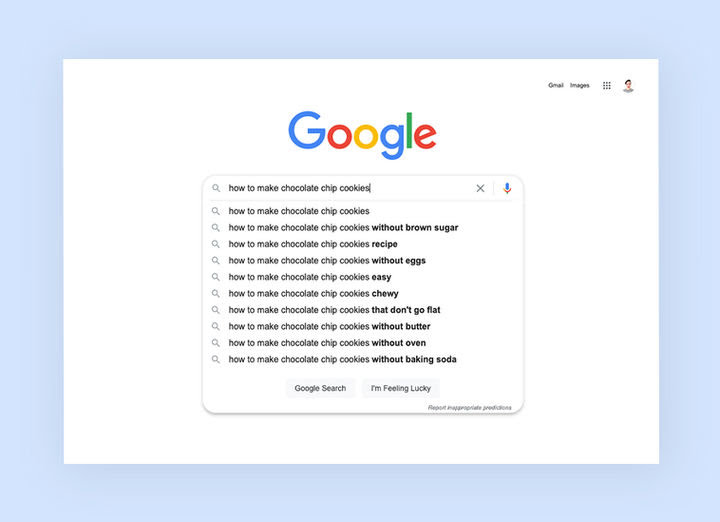
Think about the benefits of opting for a broader phrase, like “chocolate chip cookies,” over a more precise phrase, like “how to make chocolate chip cookies.” Choosing the right keywords means striking a balance between high search volume and high intent.
Once you’ve selected your keywords, you can use them to shape the structure of your content. Google those phrases to find out which articles have successfully targeted those same keywords, and spend some time browsing their content. This will give you inspiration for your own article in terms of what to include and how to structure it.
03. Define your audience

Now that you know what you’ll be writing about, you need to find out who you’re writing for. Anticipating the kinds of people who will be reading your posts will help you create content that is interesting, engaging and shareable.
Of course, your audience largely depends on your type of blog. If you run a baking blog, you’ll probably be writing for an audience of people who love baking and are seeking recipe inspiration. Even more specifically, if you run a healthy baking blog, you’ll be writing for people who similarly love baking but who want to make their culinary creations healthier. It’s important to keep these nuances in mind when crafting your content, since your goal is to write articles that resonate strongly with readers.
So, how do you figure out your audience in the first place? Start by taking another look at the other blogs in your field. Consider who they seem to be writing for, and the kinds of assumptions they’re making about their readers’ interests and lifestyles. For example, you might find that most of the blogs address a particular gender or age group.
04. Write engaging content

Now that you’ve sketched out the blog post, you can begin typing away. Keep in mind that blog posts, like many other types of writing, typically include three main elements: an introduction, the body text, and a conclusion.
Let’s start with the introduction. In the first few sentences of your article, you should already grab your readers’ attention. Begin with a relevant quote or statistic, tell a short story, or share an interesting fact. Then, set the tone for the article by sharing a brief summary of what you’re going to talk about in the body text. This gives your readers a reason to keep going.
Next, fill in the body text. In your outline, these are the bullet points beneath each subheader. This is the meat of your blog post, so it should be clear and compelling. Avoid fluff and repetition, and instead offer deep value by sharing your knowledge, research, and insights.
05. Select a blog domain name

You should host your well-crafted blog on your domain site address in order for readers to discover it. When it comes to naming your blog, you can gather ideas from a blog name generator and see if the domain name is available.
Spend time thinking about how your blog and domain name fit in with the blog post topics you will cover. Make sure that your name reflects your blog’s persona, topic and niche.
Once you have finalized your name, choose your domain name (also referred to as a URL, for example, http://www.wix.com). Typically, your domain name will be the same as, or at least similar to the name of your blog.
6. Optimize for SEO
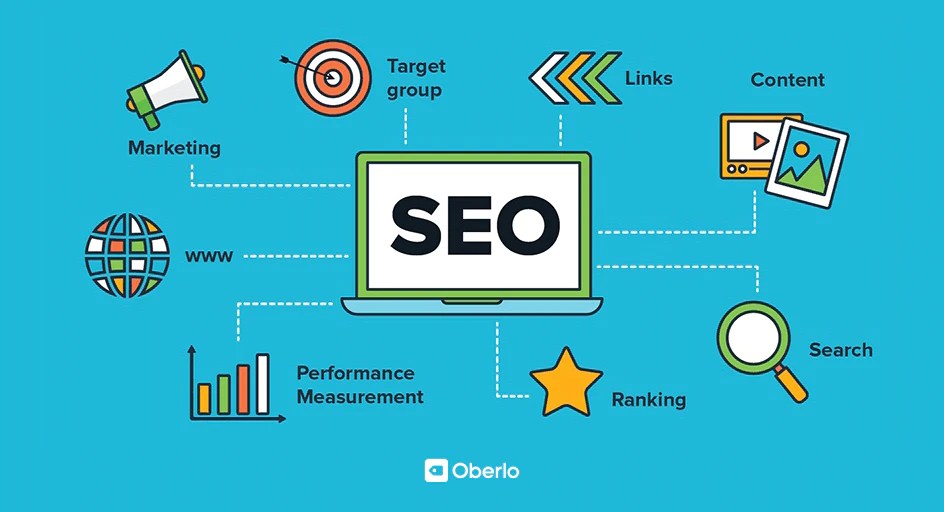
When it comes to SEO for bloggers, a strong SEO plan involves optimizing your content both before and after writing the blog post. Not only does this include doing keyword research prior to the outline phase (mentioned in step 3), but it also includes using those keywords to polish your final piece.
This begins with sprinkling relevant keywords throughout your article. Let’s say you’ve chosen to target the keyword “business strategies.” Use this exact phrase in your headline, throughout the body text, and 1-2 subheaders if it’s a natural fit.
Next, include this keyword in your metadata. This is the preview text you’ll see for every article on Google, and it includes a title (known as the meta title) and short description (the meta description). You’ll also want to add the keywords to the URL of your article, as well as in the alt text of your blog post’s images. Use these SEO features to give your blog an overall performance boost. Lastly, and make sure you know exactly how long a blog post should be to best rank your post.
7. Edit and publish your blog post

With so many common blogging mistakes out there, you’ll need to thoroughly check your article for grammatical errors, repetition and any other unprofessional content. Furthermore, make sure your ideas flow coherently throughout each section, signaling a clear and purposeful message to readers. You can read about other essential aspects of blogging in this comprehensive blog post checklist.
We recommend asking a friend or colleague to give your blog article a once over before it goes live. Direct them to look for any discrepancies or ambiguity. It’s also important to emphasize quality over quantity in order to keep your readers interested. Then, once you’re happy with your written work, it’s time to hit publish.
8. Promote the final article

Once you’ve written and published the blog post, take the necessary steps to make sure it gets read. Two of the most effective ways to promote your blog post and get readers are email marketing and social media marketing.
Email remains one of the most reliable platforms for marketing, as it allows for a direct communication channel between you and your audience. This highly effective digital marketing strategy involves sending out customized emails to prospective users with the aim of converting them into loyal fans. If you’re interested in getting started, this powerful email marketing service can help you send custom newsletters for your blog.
Beyond emails, sharing your article on social media can also go a long way. For example, if you want to accrue a wide audience, promote your blog on Facebook or Instagram, which have one of the largest and most diverse user bases.
Whichever channels you choose, make sure to actively engage with followers on a day-to-day basis. This will ensure that you not only write a great blog post, but that you get people reading your article, too.
Thank you For Your Valuable Time 💫
 Azmair
Leave a comment