Imagine having more time to spend with friends and family and traveling anywhere you want—all while making more money.
The best part? You don’t need to be an expert to get started. Even as a beginner, there are dozens of ways you can start making extra money online.
Here’s how to make money online for beginners (even if you don’t have any skills or experience). As long as you have an internet connection, you’re good to go.
How to make money online as a beginner
1. Become an online tutor
Teach what you know. Everyone has something they’re knowledgeable about, whether it’s trigonometry, classic literature books, or Spanish conjunctions. The best part is, you only need to be one step ahead of the person you’re teaching to help them.
Because of this, there are tons of websites that let people from all over the world sell their knowledge to students. And because the majority of lessons are done via video chat (or even text chat), you can work remotely from anywhere.
This industry has exploded during the pandemic, providing people with an easy way to make money online, regardless of how much they know about a topic. Sites like TutorMe and Wyzant have an easy setup process and let you advertise your services to potential students in several different countries, whether you’re teaching math, science, English, or another language. If there’s something you’re particularly knowledgeable about, you can create short tutorials or sell your lessons to business owners.
Startup time: A few minutes to create an account on your chosen tutor sites.
Effort: Minimal effort to get started, but it will require a certain amount of commitment to maintain a consistent income.
First payout: One week to one month.
What to know:
Most tutor sites require tutors to be 18 years of age or older.
Specializing in a specific topic will help you become an expert and earn more.
Tutor sites often take a cut of your payment or charge a fee to withdraw your earnings.
2. Sell your clothes and other belongings
Who doesn’t have a never-worn-before shirt tucked away at the back of their closet? Selling your unwanted clothes and other items is a popular way to earn extra cash each month and clear out your home at the same time.
Mobile apps like Poshmark, Etsy, and Craigslist let you upload your clothes, accessories, and other items to a personal storefront and sell them to shoppers all over the world. It’s not just limited to clothing though—consider selling ornaments, knick-knacks, and furniture on eBay or local selling sites.
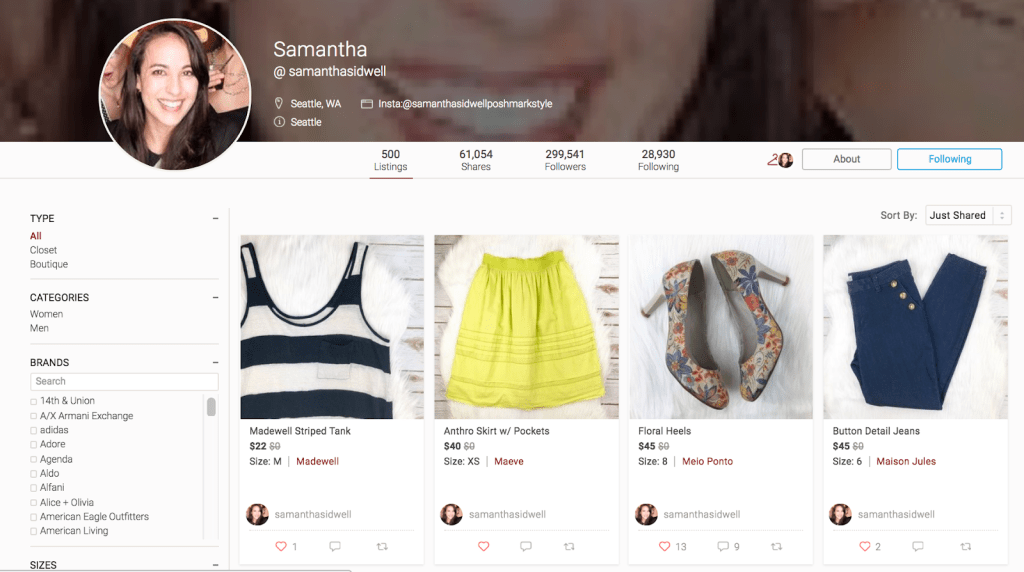
Startup time: An hour or so to snap photos of your items and upload them to your chosen selling site.
Effort: A bit of effort upfront, but then the only effort required is to either maintain your “storefront” and ship items, if necessary.
First payout: Depends on how long it takes to sell your first item.
What to know:
Most selling sites require you to take charge of shipping, which can add up after a while.
Upload your products to multiple sites to increase their chances of selling.
Most third-party selling apps take a cut of your profit or charge a fee for each listing.
3. Become an affiliate for your favorite products
Brand affiliates receive a unique link from a brand and get rewarded with a commission whenever someone in their network buys a product through clicking that link. Multiple brands offer an affiliate marketing program where you can sign up, get your link, and share it with your friends and family. The best part is you can get paid for recommending products you would recommend anyway.
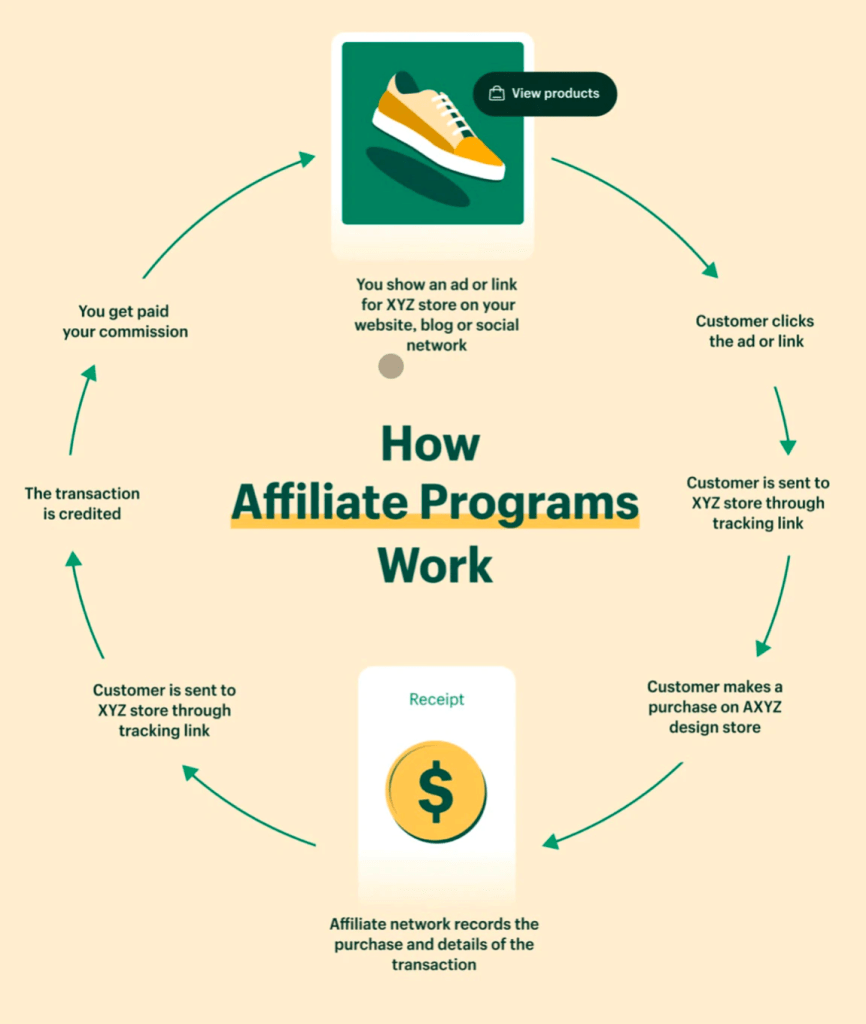
Amazon’s affiliate program lets you add a unique code to a URL to claim back a portion of the payment if someone you know or referred buys a product (it can be any product in Amazon’s catalog), but there are also individual affiliate programs for different brands and storefronts that make it possible for you to become an affiliate for your favorite brands.
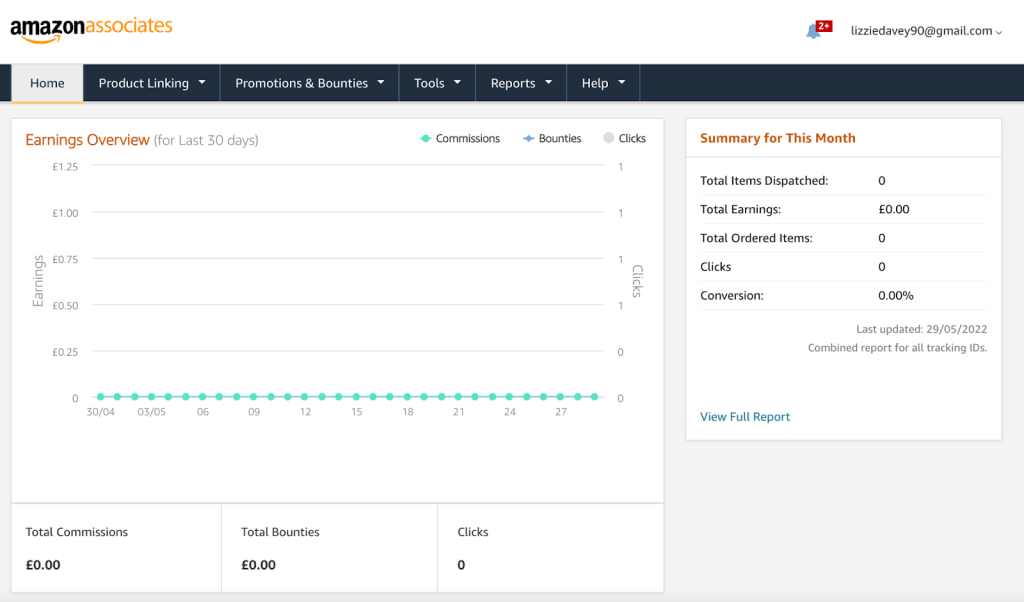
Startup time: A few minutes to generate your affiliate codes.
Effort: Minimal effort upfront, but it can take consistent effort to make a decent chunk of money from affiliate programs.
First payout: One week to one month, depending on the payment terms of your chosen affiliate programs.
What to know:
The average cut for affiliates is 5% to 30%, so you’ll get more money for selling higher-ticket items.
Most affiliate programs require participants to be 18 years of age or over.
It helps to have a strategy in place to make consistent income, either via a blog, an online presence on social media, or a community.
Most affiliate programs require you to add a disclaimer to your unique link saying that you’ll get a cut of the payment.
4. Start a dropshipping business
Dropshipping allows you to sell products online without having to fulfill or ship orders yourself. Customers make a purchase via your store, which alerts a third-party manufacturer or supplier who then sends the product directly to the customer.
This ecommerce model can be a good way to build a small business. There’s the opportunity to make a lot of money and earn passive income, but there can be a small learning curve to getting started if you don’t know much about setting up your own website or an online store.
However, ecommerce platforms like Shopify make it really simple for even the most novice dropshippers to set up a beautiful store and start getting sales. Choose a pre-made template, drag-and-drop your store and product information, and connect up your chosen dropship suppliers to start selling straight away.
Startup time: A few hours to get your store up and running.
Effort: Dropshipping is the easiest ecommerce business model to get into without knowing much about the industry.
First payout: One month on average.
What to know:
You can use Shopify’s free 14-day trial to see if dropshipping is a good fit for you.
Successful dropshipping is about choosing the right products; research suppliers and trending categories to get it right.
Most dropship suppliers require a monthly subscription to sell their products or take a cut of each order.
5. Rent out your stuff
Sometimes people don’t want to buy a product, they simply want access to one for a set period of time—we’re talking things like lawnmowers, kitchenware, cars, and even rooms in your house. Sites like FriendWithA make it possible to rent products like this and pay the owner for the opportunity.
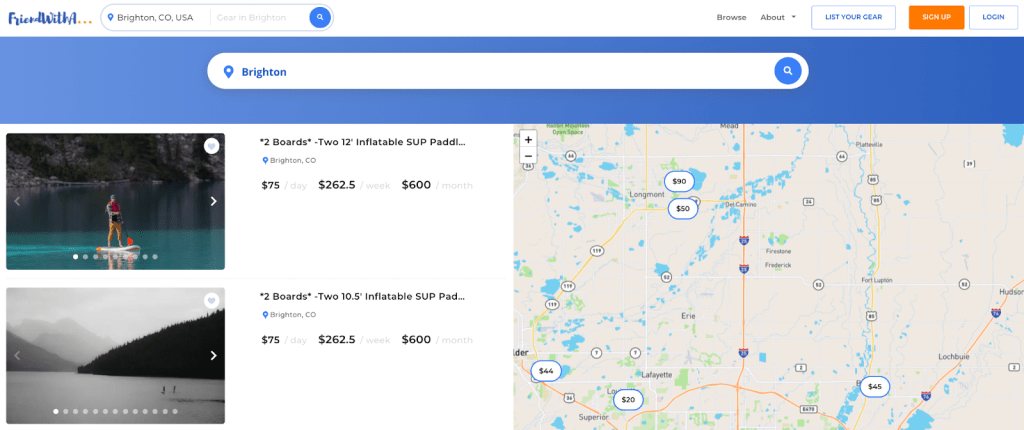
If you’ve got a lot of stuff that’s not always in use or that people might be interested in renting out, why not put it up for hire? This way you can earn a bit of money on items that would otherwise be gathering dust in your shed, cupboard, or garage.
You can even rent your car when you’re not using it or the spare room in your house on a site like Airbnb to make extra money on the weekends.
Startup time: A few hours to upload your products to relevant sites and to browse listings.
Effort: Varies depending on the products you’re renting out; hiring out your car or a room in your house involves more effort than lending someone your kitchen scales.
First payout: Usually immediately.
What to know:
Sites that rent out products usually require both renters and rentees to be 18 years of age or over.
Get insurance or choose a site that offers insurance on your products in case they get damaged or lost by someone renting them.
6. Become a Creator and Get Paid Directly By Followers and Fans
Do you enjoy creating content online? Are you good at it? If the answer to both of those questions is yes, making money online by tapping into the creator economy might be a great option for you.
Creator life is great for professionals who don’t love the idea of selling online, but could pump out YouTube videos or manage a YouTube channel all day long. Over 50 million creators earn money online, and two million of those creators are doing it professionally, according to SignalFire, a venture capital fund that works with early-stage startups.
Think of creators like tiny media companies: They produce and publish educational or entertaining content – sometimes on their own website, and sometimes exclusively on social media accounts – which you can get a taste of for free. They build an audience over time, and then make money online from this audience in one of three ways:
Subscriptions: They offer access to their best content in exchange for a subscription fee – the same way you do when you subscribe to services like Netflix or Spotify – and use a platform like Patreon to do so. The more paying subscribers you can attract, the more money you will make.
Sponsorships: Brands or companies pay the creator to be featured, and the creator incorporates the brand’s advertising into their content. “Paid partnership” posts on Instagram are a classic example. Sometimes, the creator will also have an affiliate link for the product being featured.
Advertisement kickbacks: Creators get a cut of ads or commercials that are shown on their platforms. When you watch a popular YouTuber, and ads play during their videos, that creator is getting a cut of the advertising spend because they’re bringing the eyeballs to the table. This advertising revenue is low at first, but will snowball as your audience grows.
Creators can choose to leverage one or all of these strategies. Keep in mind that creator economy monetization is a slow burn, because building up an audience usually takes time. If you love to create content and could do it all day long, however, you have the passion and drive to develop an income stream from these online efforts.
The Earning Potential in Becoming a Creator
Creatorship differs from being a service provider in that more customers don’t necessarily mean more work. Whether your Patreon has four subscribers or 4,000 subscribers, your output is the same. Leverage is key if you want to make money online or make more money without working harder.
Here is what our experts had to say.
7.Provide a Service
Many people first stumble into entrepreneurship through moonlighting or doing freelance jobs in their spare time. Perhaps you offer to review someone’s résumé, or you help a business with data entry or online surveys for a few hours each week. The first time you get paid directly for what you already know, a whole new world of possibilities opens up. Some employers have moonlighting policies, so you’ll want to make sure you’re staying within your contractual obligations if you’re getting started on a side hustle in addition to a full-time job.
Providing a service usually splits out into one of three subcategories, which can be defined as follows:
Freelancing: You’re doing the work on behalf of your client.
Consulting: You are making recommendations on what the client should do next, based on your expertise and experience.
Coaching: Similar to consulting, but in coaching your goal is to help the client become proficient in doing it themselves.
Let’s say I am a certified nutritionist who has a day job, and I want to offer my expertise in my spare time to people who want to quit caffeine and have better energy levels throughout the day. Here are the different ways I could provide this service, according to the subcategories above:
Freelancing would be the most hands-on: Perhaps I’m ordering my client the supplements or multivitamins they need, or if they’re local I’m doing their meal prep for them and delivering it to their home.
Consulting would be the least hands-on: My client would keep a food log, I would review it, and then we could hop on a call together where I make recommendations on what to tweak.
Coaching would include consulting in this case, but would also provide continuing guidance and support as your client becomes self-sufficient at adjusting their own nutrition. Some people are happy to pay a premium in order to have you, a professional, in their corner for encouragement and accountability.
Freelancing, consulting, and coaching are all great options for professionals who already have a full-time job or established career. If you feel stuck on how to make money online, consider focusing on knowledge or skills you already have.
How Much Can You Earn Providing A Service?
Freelancing, consulting, and coaching rates depend very much on what you sell and who you sell to. As the saying goes: “The premium you charge is the value you create.”
Generally, if more effort or labor required on your end, you will make money by charging a higher rate and taking fewer total clients. Let’s go back to our nutritionist example.
- A one-off consultation might range from $100-$500. It requires the least amount of time, and payment is usually upfront, so you’ll make money immediately.
- An 8-week coaching package might range from $500-$2,500, begin with a consultation, and then move to weekly coaching calls and email/text support. This approach has become increasingly popular, and many professionals have built their entire online business exclusively with coaching packages.
- A freelancing package might charge $100-$500/week for done-for-you services. You’ll make money, but eventually you’ll have to hire people to help you in order to grow further.
Here’s a tip: Begin with a price that you’re comfortable with, then raise it by 10% every 60 days. In 14 months, your prices will have doubled. Raising your prices is a normal and gradual process, and confidence comes with experience.
Thanks For Your Valuable Time 😊
 Azmair
Leave a comment